
Sometimes, the first hint that your windows are on their way out is almost unnoticeable. It might be a faint draft you feel when sitting on the couch or just a creeping sense that your energy bills are a little higher than they used to be. These small signals are often the early warnings that your windows are starting to fail, costing you both comfort and money.
Your Quick Guide to Window Failure Signals
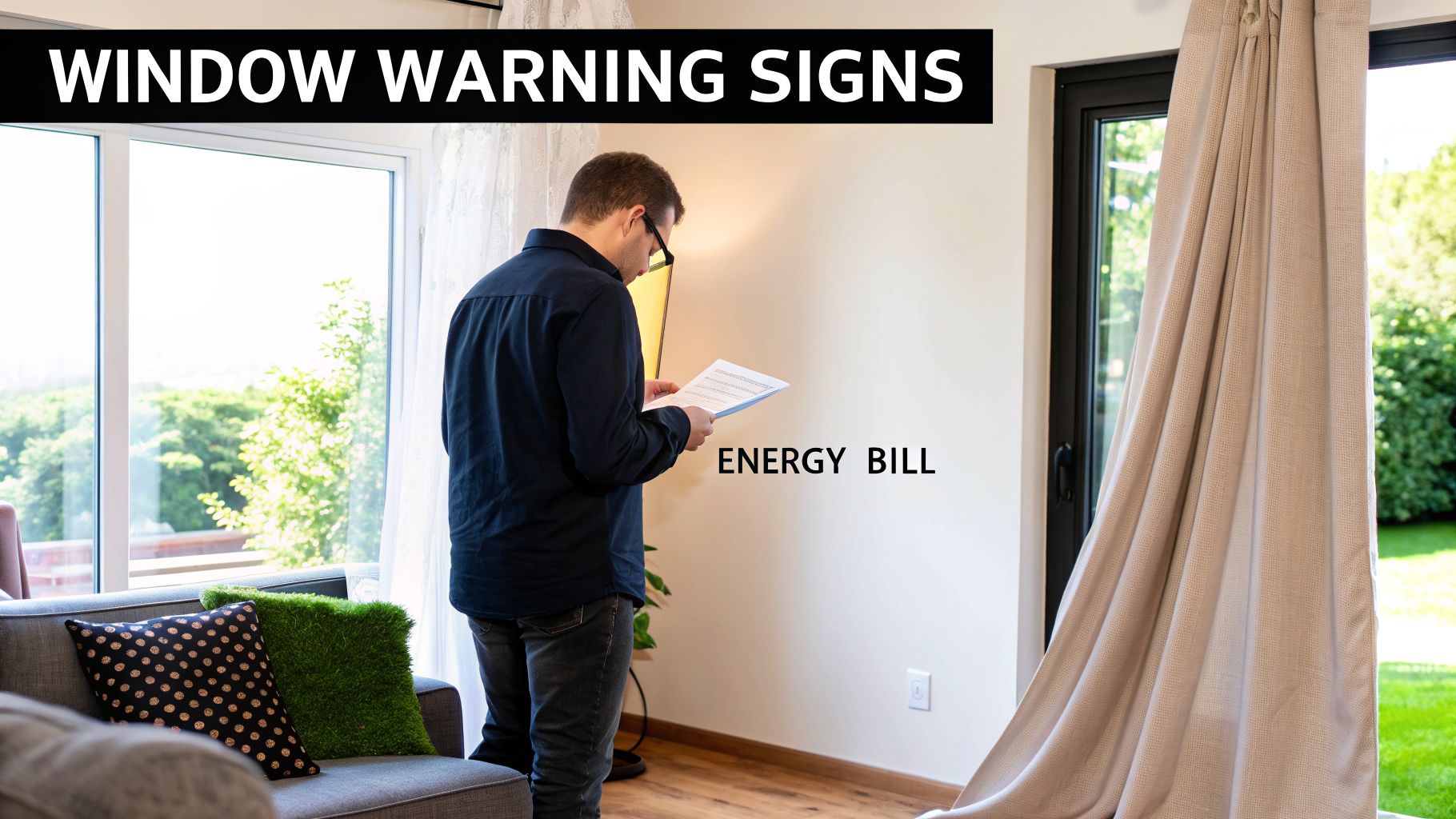
Does your monthly PG&E bill ever make you do a double-take, leaving you wondering why it keeps going up when nothing has changed? Or do you feel like you're in a constant battle with the thermostat, trying to eliminate stubborn hot spots in the summer and freezing corners in the winter? These all-too-common headaches often trace right back to underperforming windows.
Your windows aren’t just for looking through; they are a crucial part of your home’s “envelope,” the thermal barrier that separates your living space from the outside world. An old, inefficient window is like wearing a winter coat with a busted zipper. It might still look the part, but it’s failing at its main job—protecting you from the elements. This forces your HVAC system into overdrive just to maintain a comfortable temperature.
This is a particularly big deal here in the Central Valley, where our blistering summers and chilly, tule-fog winters put a ton of stress on a home. Learning to spot the early signs you need new windows is the best way to keep your home comfortable, your energy costs down, and your property value up.
Window Failure Warning Signs At-a-Glance
Before we get into the nitty-gritty, here’s a quick-reference table that summarizes the most common issues. Whether you’re a homeowner, a property manager, or a contractor, you can use this to get a fast read on what might be going on.
This table breaks down the most frequent problems, what usually causes them, and how they ultimately affect your home.
| Warning Sign | Common Cause | Primary Impact |
|---|---|---|
| High Energy Bills | Seal failure, air leaks, single-pane glass | Increased heating and cooling costs |
| Difficult Operation | Warped frames, foundation settling, broken parts | Frustration, safety and security risks |
| Fog Between Panes | Broken seals in double/triple-pane units | Lost insulation, obstructed views |
| Visible Frame Damage | Water intrusion, sun exposure, age | Structural issues, mold risk, poor appearance |
Think of these signs as your home's way of telling you it's time for an upgrade. Paying attention now can save you from bigger headaches and expenses down the road.
Rising Energy Bills and Uncomfortable Drafts
Do you ever feel like your heater or air conditioner is running a marathon with no finish line? If your home never seems to reach a comfortable temperature, but your energy bills keep climbing, your windows might be the culprit. A chilly draft you can feel is more than just an inconvenience; it’s your home literally leaking money.
Think of it this way: a drafty window is like leaving a door cracked open all day, every day. All the precious heated or cooled air your HVAC system works so hard to produce is slipping right outside, while the outside air sneaks in. This forces your system into overdrive just to maintain a baseline temperature.
This problem is particularly punishing here in the Central Valley, with our sweltering summers and brisk winter nights. Your windows are on the front line of that climate battle. If they aren't up to the task, you’re not just uncomfortable—you’re paying a premium for it.
How to Find Hidden Air Leaks
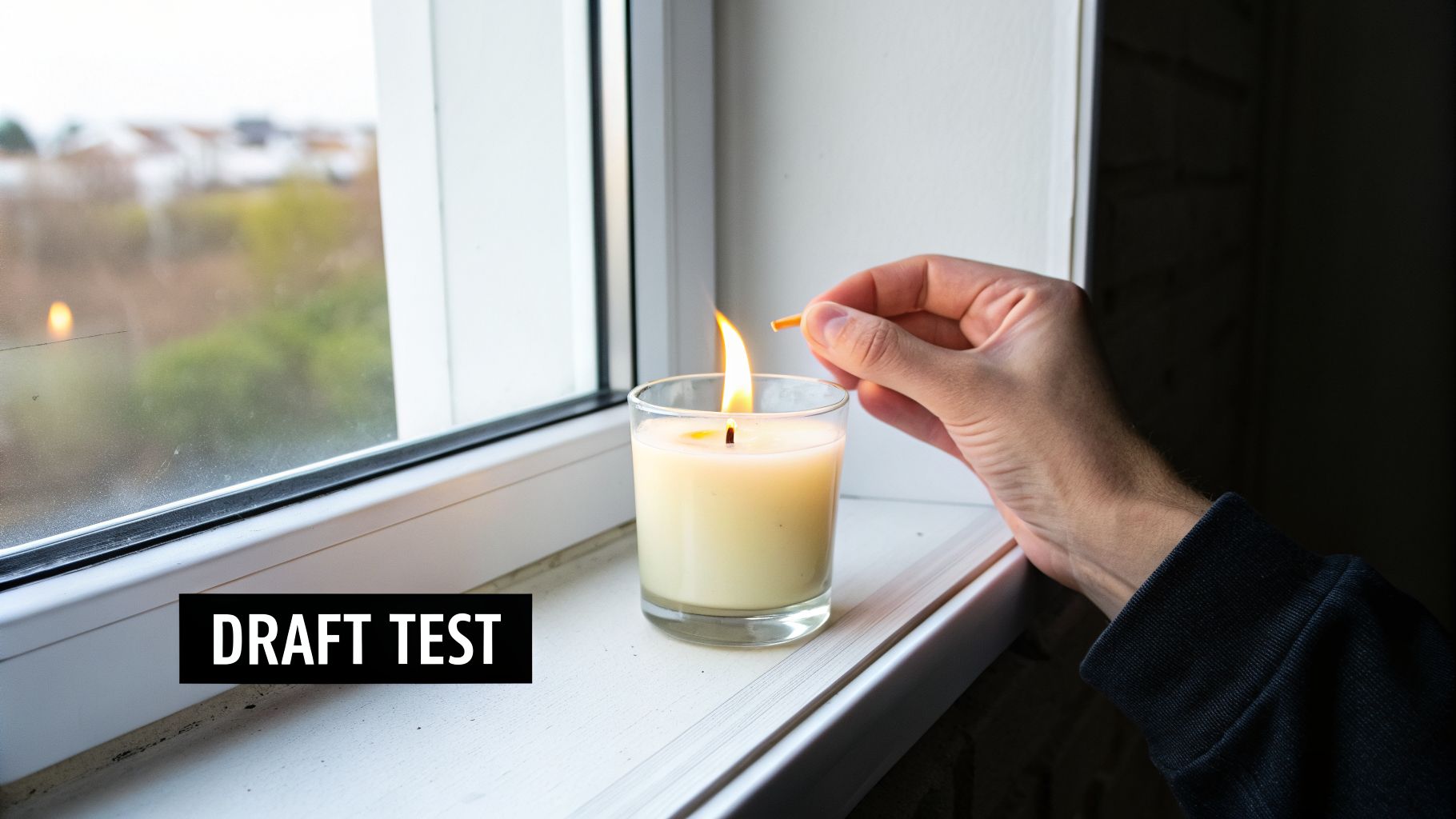
So, how do you confirm your suspicions? It’s easier than you might think to hunt down those pesky air leaks. A simple “draft test” can give you a definitive answer about where your windows are letting you down.
Here’s a quick way to check:
- Pick a windy day if you can; the results will be more dramatic.
- Seal up the house by closing all windows and doors. Turn off your HVAC fan to prevent air from circulating.
- Light a candle or an incense stick and slowly move it around the perimeter of your window—along the frame, the sashes, and the meeting rails.
- Keep a close eye on the flame or smoke. If it flickers, wavers, or blows around, you’ve found an air leak.
These tiny gaps might not seem like much, but they add up to a significant drain on your home's energy efficiency. Failed seals and worn components let your conditioned air escape, directly inflating your utility bills and increasing your home’s carbon footprint.
The financial cost of these leaks is staggering. According to the U.S. Department of Energy, heat gain and loss through windows are responsible for 25%–30% of residential heating and cooling energy use. Simply swapping old, single-pane windows for modern, energy-efficient ones can slash those costs. You can explore how different vinyl window styles can improve efficiency and make your home far more comfortable.
At the end of the day, drafts are a clear symptom of component failure. It could be degraded weatherstripping, a warped frame, or a broken seal. While you might be able to replace a small piece of weatherstripping as a temporary fix, widespread air leakage usually means the window has reached the end of its useful life. In that case, a full replacement is the only reliable, long-term solution.
Condensation Between the Window Panes
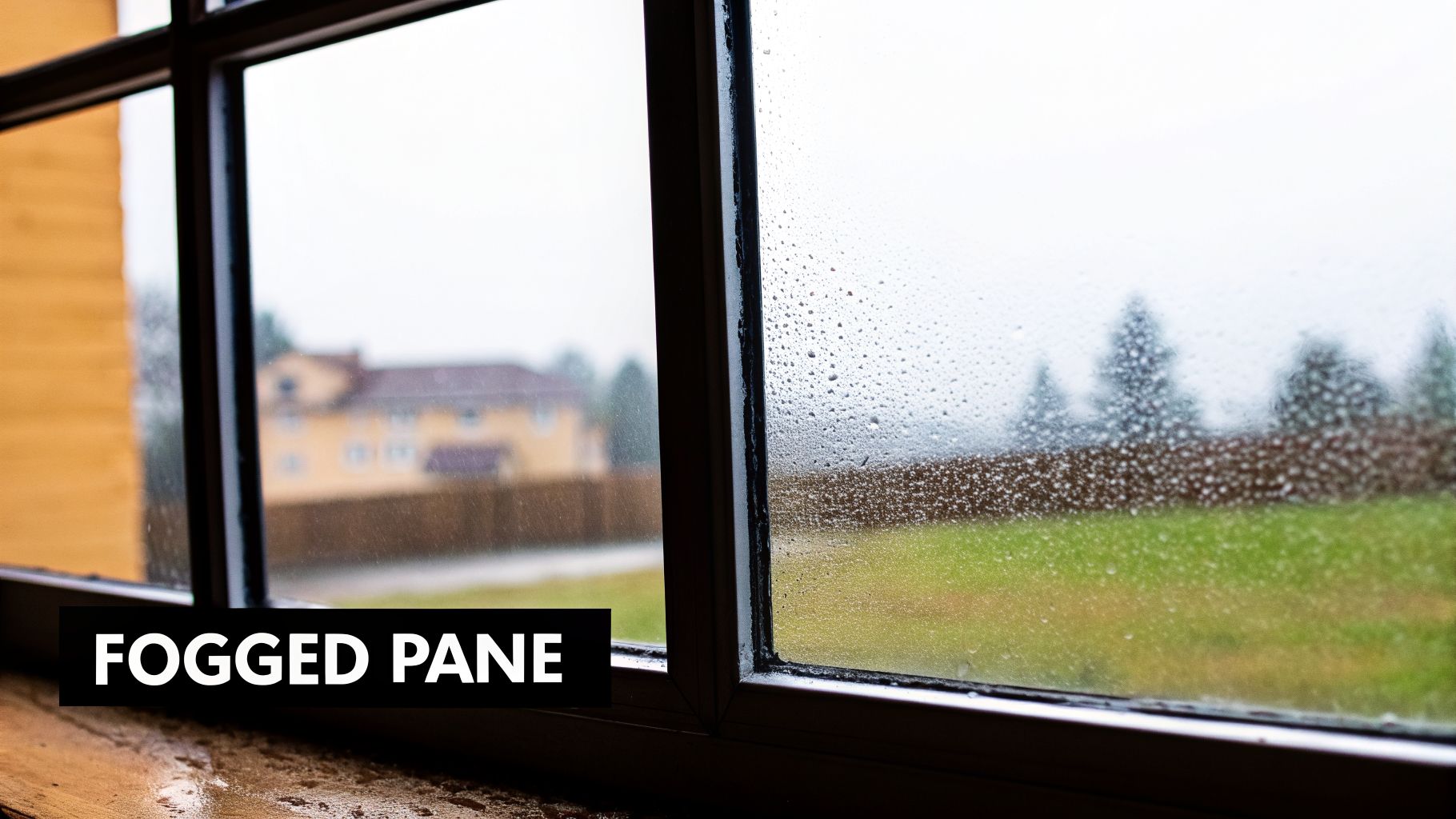
Have you ever noticed a foggy, milky film trapped inside your double-pane windows? It’s the kind of haze you can't wipe away, no matter which side of the glass you clean. This isn't your typical morning condensation after a hot shower; this is a sign of total failure.
When you see moisture trapped between the glass panes, you're looking at a broken seal. It's one of the most clear-cut signs you need new windows.
Modern double- and triple-pane windows are technically called Insulated Glass Units (IGUs). They work by creating an airtight space between the panes of glass and filling it with a harmless, invisible, and incredibly dense gas—usually argon or krypton. This gas is a terrible conductor of heat, which is exactly what you want. It’s the secret ingredient that keeps your home comfortable.
A broken seal is like getting a puncture in a tire. The special insulating gas leaks out, and regular, moisture-filled air seeps in to take its place. As the sun heats the window and temperatures fluctuate, that trapped moisture condenses into the fog, streaks, and even tiny puddles you see.
Why This Is a Major Problem
That foggy view is more than just an annoyance; it's a symptom of a much bigger issue. The moment the seal fails and the argon gas escapes, your window loses its insulating superpower.
You're left with a major weak spot in your home's thermal defense, leading directly to:
- Higher Energy Bills: Your HVAC system now has to run longer and harder to fight the heat or cold pouring through that compromised glass.
- Lost Comfort: The area around that window will feel noticeably hotter in the summer and colder in the winter, creating drafty, uncomfortable zones in your room.
- Worsening Damage: Over time, the constant cycle of condensation can leave permanent mineral deposits and etching on the inside of the glass, ruining the view for good.
A broken window seal cannot be truly repaired. You might find services that offer to "de-fog" the window by drilling a small hole and cleaning the inside, but this is a purely cosmetic, short-term fix. It doesn't replace the lost gas, so the window's energy efficiency is gone forever, and the fog will eventually return.
The only real solution is to replace the unit. Installing a new, high-performance window is the only way to restore your home's energy efficiency, get your clear view back, and stop throwing money away.
This is especially critical here in the Central Valley, where our scorching summers demand every bit of insulating power you can get. A new, properly sealed window doesn't just improve your home's look—it pays you back in lower utility bills and a more comfortable living space.
Trouble Opening, Closing, and Locking Windows
Let’s be honest: is opening a window in your house turning into a wrestling match? If you’re constantly fighting a window that sticks, jams, or just won’t lock properly, that’s more than a daily frustration. It's a huge red flag and one of the clearest signs you need new windows.
This isn't about a minor inconvenience. A difficult window points to a fundamental breakdown in its function, and that has serious implications for your home's safety and security.
Think about it: a window that won't open could be a critical escape route in a fire. And a window that won't close and lock securely? That’s an open invitation you definitely don't want to send. When a window stops working as it should, it’s time to pay attention.
What's Really Going On?
The first step is figuring out if you're dealing with a simple fix or a sign of a much bigger problem. Sure, sometimes it's just a broken crank on a casement window or a faulty lock. Those are straightforward hardware swaps. But more often than not, the real issue is structural.
To get a better idea, try operating the window and pay close attention. Does the sash feel like it's crooked in the frame? Do you hear it scraping or grinding as it moves? These are tell-tale signs that the frame itself is warped or the house has settled, throwing everything out of alignment.
Here are the most common culprits behind a stubborn window:
- Warped Frames: That intense Central Valley sun can be brutal. Over time, heat and moisture can cause wood to rot and even low-grade vinyl to bow and twist.
- Foundation Settling: All houses settle. This natural shifting can distort the opening where the window sits, squeezing the frame and causing it to bind.
- Broken Mechanical Parts: On sash windows, the internal balances that hold the window up can fail. This is why a window might slam shut or feel incredibly heavy to lift.
- Debris and Corrosion: Years of dirt, dust, and moisture in the window tracks can build up, creating friction and making the window a pain to operate.
You might be tempted to clean the tracks or slap on a new lock. While that can offer a temporary fix, it's like putting a band-aid on a broken bone if the real problem is a warped or misaligned frame. These patch jobs won't fix the core issue, and the problem will just keep coming back.
A professional inspection is the only way to know for sure. An expert can quickly tell if it's a simple component failure or if the entire window unit is compromised. For homeowners, property managers, and contractors, dealing with a window that doesn't work isn’t just a simple repair—it's a crucial investment in the property’s safety and security.
Visible Damage, Warping, and Water Stains
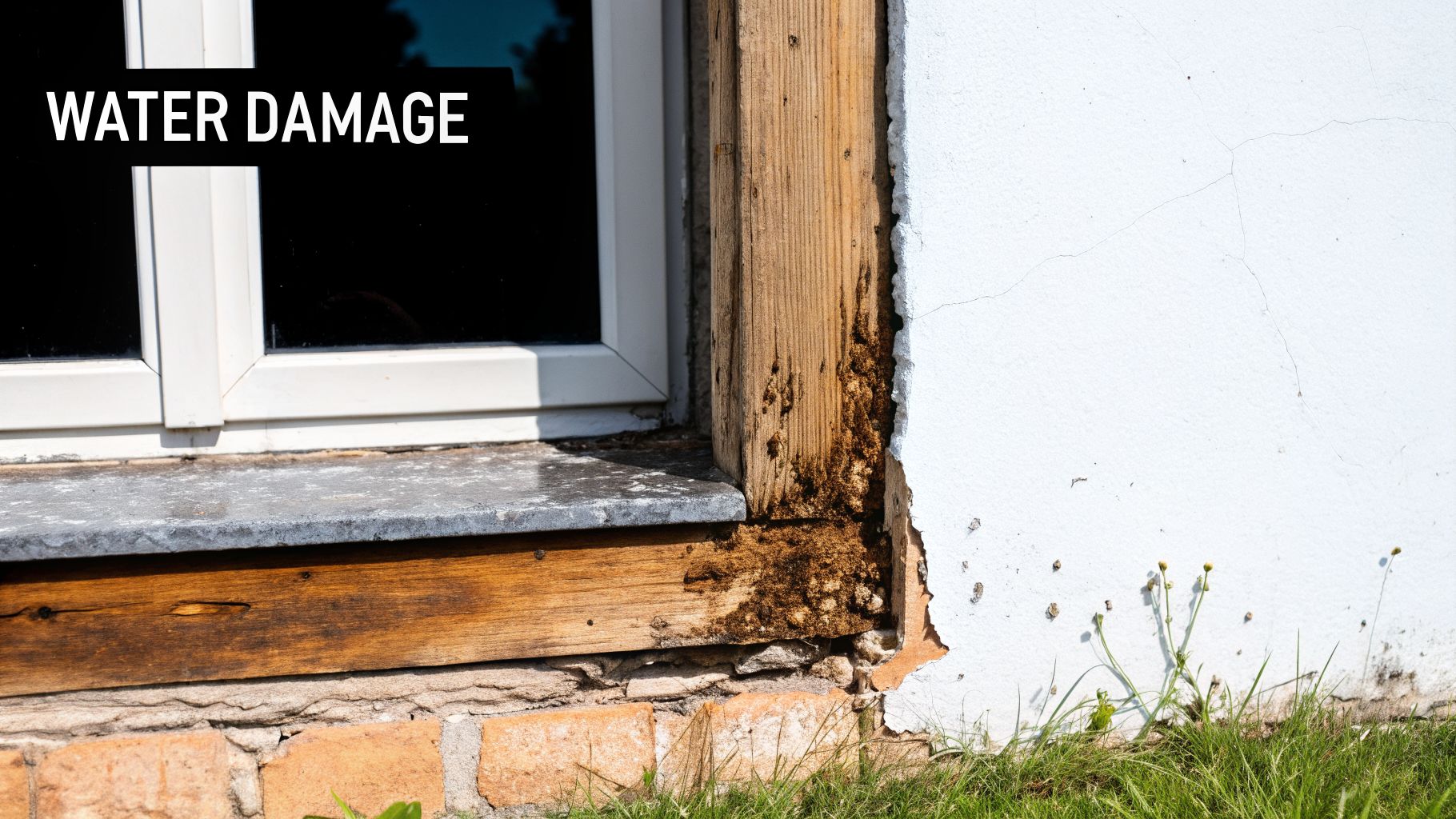
While subtle problems like drafts are easy to ignore for a while, some of the most urgent signs you need new windows are the ones you can see with your own eyes. A quick walk around your property to visually inspect the window frames and surrounding walls can uncover serious issues that go way beyond simple appearances.
Look for the obvious signs of physical decay: cracked, bubbling, or peeling paint around the frame. If you have wooden windows, pay extra close attention to any soft, spongy, or discolored spots, as these are classic signs of rot. These are almost always the first red flags of water getting in where it shouldn't.
Spotting Water Damage and Warping
Water is public enemy number one for a home, and your windows are on the front lines. When that line of defense fails, the damage can spread surprisingly fast. It's just like a tiny leak in a roof—what starts small can quickly turn into a massive structural headache if you let it go.
To see if you have a problem, take a close look at these areas:
- Window Frames and Sills: Search for dark streaks, off-color patches, or swollen wood.
- Walls Around the Window: Do you see yellowish-brown stains, bubbling paint, or soft spots on the drywall or plaster directly below or next to the window?
- Frame Straightness: Look down the length of your vinyl or composite frames. Are they perfectly straight, or do you see any bowing, warping, or cracking?
Years of exposure to the intense Central Valley sun can be especially brutal, causing lower-quality vinyl or older wood composite frames to warp under the constant heat. This doesn't just look bad; it breaks the airtight seal your window needs to be effective, letting in drafts and, you guessed it, more water. A warped frame is a failed frame.
Why This Damage Matters
It's tempting to write off a little paint chip or a minor stain as a simple cosmetic fix, but these are often just the tip of the iceberg. They're symptoms telling you that moisture has breached your home's protective shell, which can set off a chain reaction of serious problems.
A rotting window frame or a water-stained wall is a clear indicator that water is penetrating your home's structure. This can lead to widespread wood rot in the wall framing, attract destructive pests like termites, and create the perfect breeding ground for hazardous mold and mildew.
While you might be able to patch a tiny crack with some caulk and a coat of paint, significant rot or a warped frame can’t be truly repaired. The window’s structural integrity is gone for good. At that stage, replacement isn't just an option—it's the only responsible way to protect your home from more extensive and costly damage down the road.
To see what a secure, professionally finished window should look like, it helps to browse a gallery of completed window projects. You'll quickly see the difference between a failing window and a flawless installation.
Planning Your Central Valley Window Replacement
So, you've done the detective work. You've spotted the drafts, the foggy glass, the warped frames, and you know your windows have seen better days. Recognizing the signs you need new windows is half the battle. Now comes the important part: creating a solid plan to find a lasting solution that’s built for our unique Central Valley climate.
It's tempting to think any new window will be an upgrade, but that's not quite right. Here in Fresno, Clovis, and the surrounding communities, the summer sun is no joke. That’s why you can't just pick any window; you need the right window. This makes features like Low-E (low-emissivity) coatings an absolute necessity, not just a nice-to-have. These are microscopically thin metallic layers on the glass that are engineered to block a massive amount of the sun's infrared heat from pouring into your home, all without making your rooms feel dark.
Think of it like a high-tech pair of sunglasses for your house. A good Low-E coating reflects that intense solar heat away during our scorching summers. The immediate effect? Your air conditioner gets a much-needed break and doesn't have to run constantly to keep up. That translates directly into lower energy bills and a home that’s genuinely more comfortable, even on those 100-degree days.
Partnering With a Local Expert
Trying to sort through all the different window options can feel pretty overwhelming, but you don't have to go it alone. The single best thing you can do is partner with a trusted local supplier and installer. Someone who lives and works here truly understands the challenges our climate throws at a home.
A reliable local partner will help you:
- Select the right features for our area, like advanced Low-E coatings and durable frame materials that won't bake, crack, or warp under the intense sun.
- Ensure flawless installation by a trained, insured team—not a crew of random subcontractors. Proper installation is what locks in the window's energy efficiency and ensures it lasts for decades.
- Balance your budget with quality, helping you find the best value without cutting corners on performance. If you're looking for an excellent deal, you can even explore options like surplus windows and doors to get high-end products for less.
The most crucial step is getting an accurate assessment. A professional, no-obligation estimate from a local company gives you a clear understanding of your options, the total cost, and the real-world benefits you can expect.
Don’t let failing windows continue to compromise your comfort or drain your bank account month after month. The next step is easy. Schedule a free estimate with our team at Equity Building Materials. We’d also love to have you stop by our Fresno showroom to see and touch the options for yourself and get some expert, friendly guidance for your project.
Have Questions About Window Replacement? We've Got Answers.
It's one thing to spot the signs that your windows are on their last legs. It's another to actually start the replacement process. Making the decision to invest in new windows for your home is a big deal, and it’s completely normal to have a lot of questions. Getting clear, honest answers is the first step toward making a choice you’ll be happy with for years to come.
We hear the same great questions from homeowners all the time. Let's dig into some of the most common ones.
How Long Should My New Windows Actually Last?
With a professional installation, you can expect a good set of new windows to last anywhere from 15 to 25 years—sometimes even longer. A lot depends on what they're made of. Materials like vinyl and fiberglass are known for their incredible durability. Of course, the quality of the initial installation and our unique Central Valley climate also play huge roles. That relentless sun and those big temperature shifts can really put a strain on window components over time.
A little preventative care goes a long way, too. Simple things like cleaning out the window tracks and giving the seals a quick check-up once a year can really help you get the most life out of them.
What's the Difference Between a Full-Frame and a Pocket Installation?
This is probably one of the most important things to understand, as it affects both the final cost and how well your new windows perform.
Here’s an easy way to think about it:
- Pocket Installation: This is where the new window unit is inserted into the existing window frame. It's quicker and more budget-friendly, but it’s only a good idea if your old frame is structurally sound and completely free of rot.
- Full-Frame Replacement: With this method, we remove everything—the old window, the frame, and all the trim—right down to the rough opening. This is the absolute best approach if there's any sign of damage. It lets us fix any hidden issues and create a brand-new, airtight seal that's built to last.
While a pocket installation might save you a bit of cash upfront, a full-frame replacement is almost always the wiser long-term investment, especially for older homes. It's the only way to be certain that you've dealt with any potential water damage or structural problems for good.
Will New Windows Really Make My Home Quieter?
Absolutely, and the difference can be dramatic. Old single-pane windows do very little to stop sound from getting in. Modern double- or triple-pane windows, on the other hand, have insulating air or gas-filled gaps between the panes that are fantastic at muffling sound waves.
If cutting down on traffic, barking dogs, or neighborhood noise is a major goal for you, ask about windows with laminated glass or different glass thicknesses. These specialized options are engineered specifically for soundproofing and can turn a noisy house into a peaceful sanctuary.
The best way to get answers specific to your home, your goals, and your budget is with a professional consultation. The team at Equity Building Materials, Inc. provides free, no-pressure estimates to walk you through all your options. Stop by our showroom or contact us online to schedule your free estimate today and let us help you make the perfect choice for your Central Valley property.